
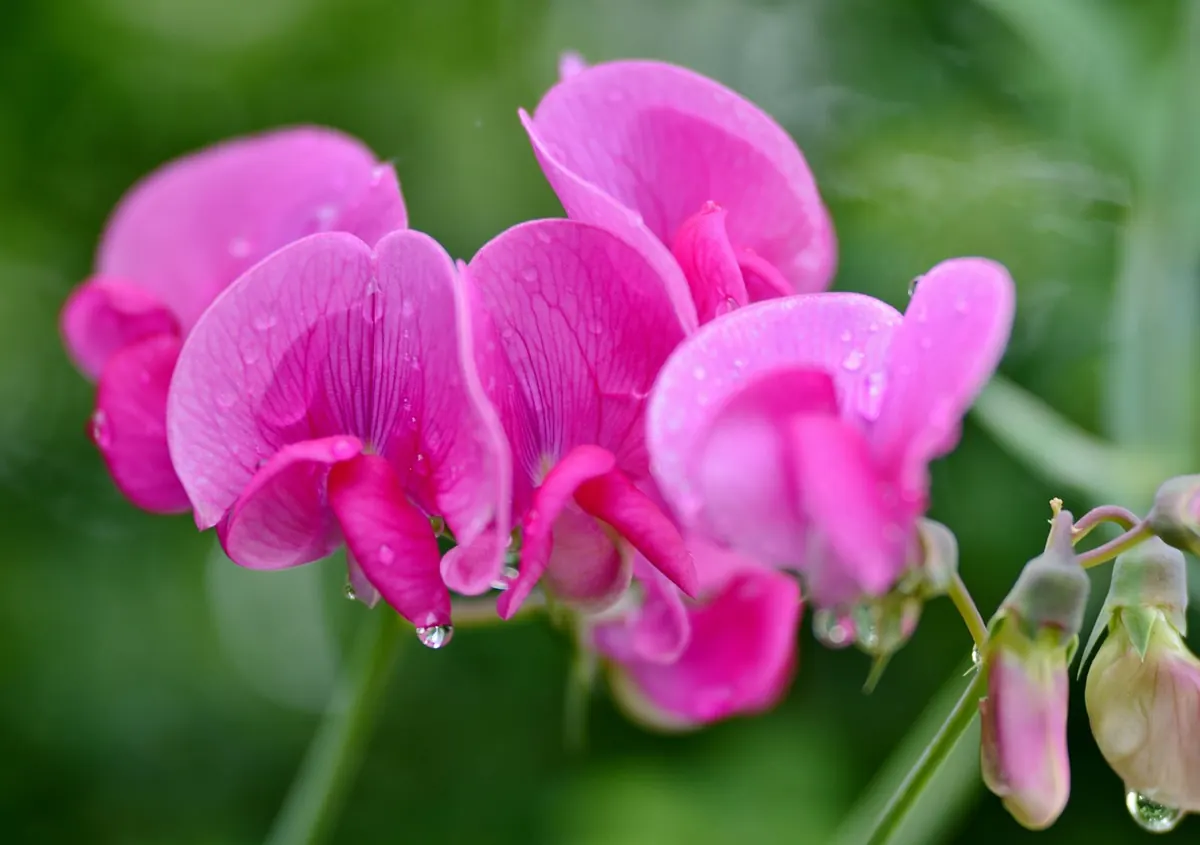




October is the month the British garden quietly changes gear. Growth slows, the light softens, and the soil is still warm from summer — which is exactly why it is one of the best months of the year to plant, move and improve things. Frost may reach exposed northern gardens by the end of the month, while a sheltered coastal plot can carry on almost into November. Treat this as a menu rather than a set of orders, and do the jobs that matter in the time you actually have.
Plant Spring Bulbs — Most of Them, at Least
Bulbs are the reason many of us put up with October's grey skies. Daffodils, crocus, snowdrops, muscari, camassia and alliums all settle in happily now, giving roots time to establish before the cold sets in. Tulips are the exception: if you can, leave them until November. They dislike sitting in cold, wet soil and are less likely to rot or sulk when planted later.
A few habits make the difference between a display and a disappointment:
- Plant at roughly three times the bulb's own depth — a 5cm daffodil bulb goes about 15cm down.
- Set bulbs pointy end up. If you cannot tell which end that is, plant them on their side; they will right themselves.
- In heavy clay, put a handful of grit in the planting hole and another over the top.
- Group them in drifts and odd numbers rather than neat rows. It looks far more natural when they appear.
- In pots, use fresh peat-free compost and stand them where they will not sit waterlogged all winter.
Squirrels will dig up anything they can smell, so firm the soil down and cover pots with wire mesh or prickly holly cuttings. Plant scented hyacinths and narcissi near a doorstep or path, where you will actually notice them in February.
Gather Leaves and Make Leaf Mould
Fallen leaves are the easiest free resource in the garden. Left on the lawn they block light and encourage moss, so rake or mow them up regularly. A light scattering in borders does no harm and shelters overwintering insects, but a thick dump will smother small plants.
Keep leaves out of the normal compost bin — they break down too slowly and cool the heap. Instead, make leaf mould:
- Fill old compost bags with damp leaves, punch a few holes in the sides and tie the tops loosely.
- Tuck them behind the shed. A wire cage works just as well and is easier to turn.
- Leave them a year for a coarse mulch, two for a fine, crumbly material worth mixing into seed compost.
Thin leaves such as birch and beech rot quickest; oak and sycamore take longer. Running the mower over them first, or mixing in a few grass clippings, speeds everything up.
Tidy the Borders, Divide and Feed the Soil
Resist the urge to clear everything. Seedheads of echinacea, teasel, sedum and ornamental grasses feed birds and hold structure through winter, and hollow stems give insects somewhere to shelter. Cut back anything collapsed or diseased, then leave the rest until spring.
While the soil is still warm, lift and divide congested perennials — hostas, heleniums, hardy geraniums — and replant the healthiest outer pieces. Container-grown trees and shrubs planted now will root before the cold arrives. Spread well-rotted compost or manure over empty beds, keeping it clear of stems and crowns, and stay off wet soil: walking on it undoes years of structure. Where a bed will lie empty, sow a green manure such as field beans or grazing rye to hold on to nutrients over winter.
Give the Lawn Its Last Attention
Growth is slowing, so raise the mower blade and make this the month of the final few cuts. Never cut when the grass is wet or frost is on the ground — you will tear the blades and compact the surface. If you have not aerated or scarified this year, do it early in the month while the grass can still recover. A light autumn feed, low in nitrogen, helps roots rather than leaves. Bare patches can still be sown now if the soil is warm; keep the seed damp and net it if birds are a nuisance. Leave the lawn a little longer going into winter than you would in summer.
Prepare the Greenhouse and Protect Tender Plants
October light is precious, so wash the glass inside and out — a surprising amount of a greenhouse's winter brightness is lost to dirt and algae. Clear out old pots, dead foliage and fallen fruit, which harbour pests and disease. Bubble wrap the sides for insulation but keep the vents clear, and open them on mild, sunny days. Still, damp air is what brings on grey mould.
Bring tender plants in before the first frost is forecast: pelargoniums, citrus, fuchsias and anything you have overwintered before. Check pots and leaves as you move them, because you will not want to deal with vine weevil, whitefly or slugs in January.
- Water far less, and in the morning.
- Keep foliage dry and remove yellowing leaves promptly.
- Group pots for warmth, but not touching.
- Keep fleece to hand for cold frames and late crops.
Sow Garlic, Order Bare Roots, Prune With Care
Plant garlic now or in November for the biggest bulbs; it needs cold to split into cloves properly. Japanese onion sets and overwintering broad beans can go in too, and winter salads will keep going under cover. Bare-root trees, roses and hedging start arriving from nurseries — get them in while the soil is workable, or heel them in temporarily if the ground is waterlogged, and order early for the widest choice.
Pruning needs a little thought this month. Leave plums, cherries and other stone fruits alone until summer: pruning them now leaves wounds open to silver leaf disease. Roses can be shortened slightly so the wind cannot rock them, with the real prune left for late winter, and tender shrubs are best untouched until spring. Check tree ties and stakes before the gales arrive, and firm in any young plants lifted by frost.
Your October Priorities
If time is short, do three things: plant the bulbs, clear the leaves, and get tender plants under cover. Everything else can wait for a dry afternoon. October is a generous month for gardening — the soil is warm, the garden centre is quieter than in spring, and a couple of hours now shows up as flowers, fruit and healthier soil next year. Work at a steady pace, keep your secateurs sharp, and leave a corner untidy for the wildlife. It will repay you.
Photo: chulmin1700 / Pixabay
Related posts
More stories you’ll love reading