


Gardening Tips
Peat-Free Compost Compared: Which Mix Suits Containers, Seed Sowing and Border Planting?
September 25, 2026
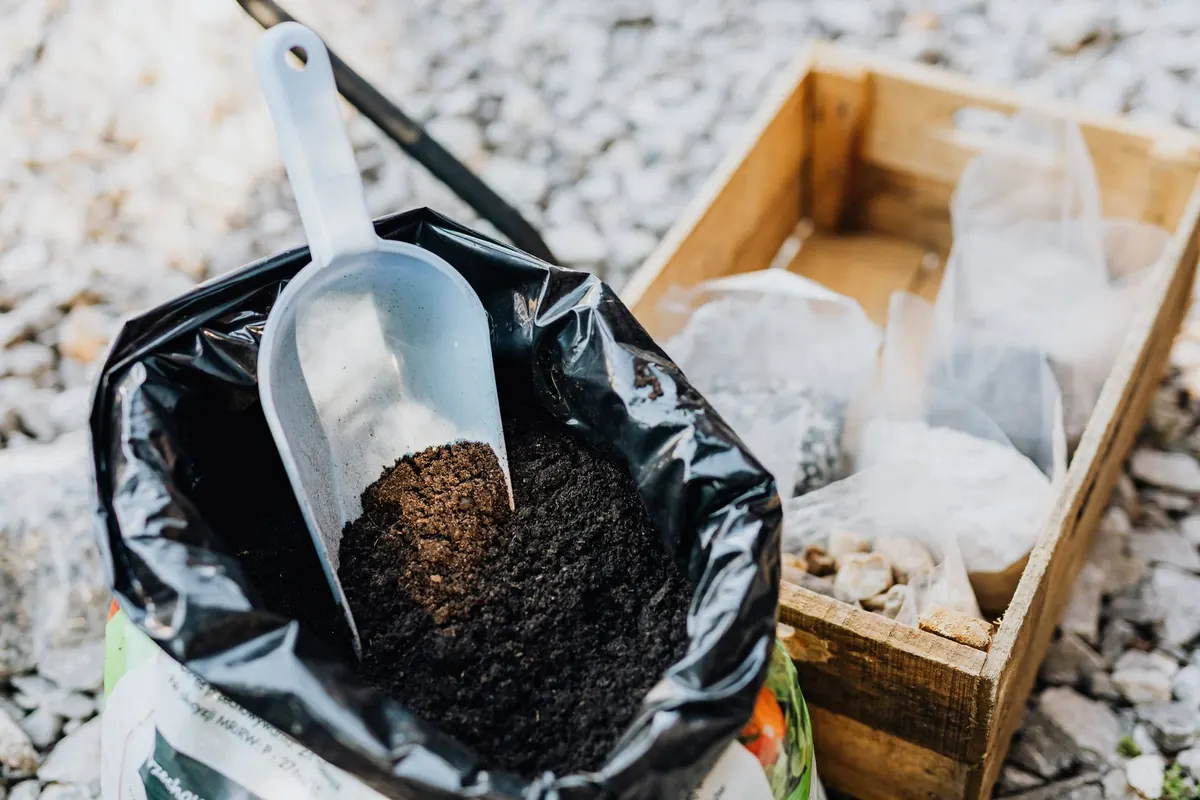
Open a bag of peat-free compost and the first thing you notice is the texture. It is chunkier, springier, sometimes a bit woody, and it does not behave quite like the dark, silky stuff many of us grew up with. That is not a fault. It is simply a different material doing a similar job, and it rewards a slightly different approach. Buy the right type for the right job and you will barely notice the difference by midsummer.
Why peat-free mixes behave differently
Peat holds water and air in a very particular way, and it resists breaking down for years. The substitutes — wood fibre, bark, coir, green waste compost, loam and various by-products — each bring their own habits to the pot. Some hold water beautifully but shrink as they decompose. Some are light and airy but lean on nutrients. Others are dense and rich, better suited to open ground than a seed tray.
Two practical consequences follow. First, peat-free mixes usually need watering more often, and they can be stubborn to rewet once they have dried out completely. Second, they often run out of feed sooner, because the base fertiliser is designed for a shorter window. Neither is a problem if you know it is coming.
The main peat-free ingredients, and what they do well
- Wood fibre — often a UK by-product. Light, moisture-retentive, good general structure. Can become water-repellent when bone dry and tends to slump in the pot over a season as it decomposes.
- Composted bark — chunky and free-draining, mildly acidic. Excellent for shrubs, trees in pots and ericaceous plants such as camellias and blueberries.
- Coir — coconut pith, imported but consistent. Fine, even texture, superb for seed sowing and young roots. Very low in nutrients, so feeding starts early.
- Green waste compost — made from kerbside garden waste. Rich, dense and variable, sometimes slightly alkaline. Brilliant for borders and raised beds, less good for fine seed.
- Loam-based peat-free mixes — the peat-free answer to John Innes. Heavier, holds nutrients and water well, ideal for long-term containers and top-heavy plants.
- Wool, bracken and biochar — niche additions. Wool holds water and releases a little nitrogen; biochar improves structure and holds onto nutrients. Useful in blends, rarely the main event.
Containers: match the mix to the plant
For a summer of annuals in a hanging basket, a wood fibre or coir-based multipurpose is perfectly adequate — it is light, which matters when you are lifting baskets down to water them. Expect to feed from about four to six weeks in, using a liquid tomato feed once a week.
Long-term pots and shrubs
Plants that will sit in the same pot for two years or more do better in a loam-based peat-free mix. It is heavier, so it anchors the plant, and it holds nutrients for longer. Add a handful of horticultural grit for drainage and top-dress each spring with fresh compost.
Tomatoes, courgettes and hungry crops
These want volume and consistent moisture. A loam-based mix or a good multipurpose blended with a little green waste compost works well. Ring the changes with slow-release feed granules at potting time, then switch to liquid feed once the first trusses set.
One small habit saves a lot of grief: leave a 2cm gap between the compost surface and the rim of the pot. It gives you room to top up as the mix settles, and room to water properly rather than watching it run straight off.
Seed sowing: fine, lean and free-draining
Seedlings want a fine, even texture, gentle drainage and very little food. Coir-based mixes and sieved fine wood fibre blends are the best of the peat-free options here. If your chosen mix is coarse, riddle it through a sieve first — five minutes with a kitchen sieve and a bucket makes a real difference to germination.
Water from below where you can, keep the trays somewhere light but not baking, and prick out as soon as the seedlings are handleable. If a mix is rich in green waste compost, don't use it neat for seed; it can be too strong and too lumpy for delicate roots.
Borders, beds and raised beds
Out in the open ground you are buying bulk and soil health, not friable texture. Green waste compost is the sensible choice, often sold as soil conditioner, and it is usually the cheapest way to add organic matter by the cubic metre. Spread a 5–8cm layer on beds in autumn or early spring and let the worms work it in.
For raised beds, mix green waste compost with well-rotted manure or leafmould and a little topsoil if you have it. Pure compost in a raised bed will sink noticeably in the first year, so plan to top it up. Avoid digging it in deeply; a mulch on the surface does more good.
Blending your own, and fixing common problems
- Start with roughly 60% green waste compost or loam, 30% wood fibre or coir, and 10% grit or sharp sand for drainage.
- Add slow-release feed for anything staying in a pot longer than six weeks, and a little seaweed meal if you like.
- Mix on a tarpaulin, dampen as you go, and use it within a few weeks — home blends settle and dry out in storage.
If a pot dries out completely, do not stand there with a watering can. Plunge the pot into a bucket of water up to its rim and leave it until the surface darkens, then let it drain. If green algae forms on the surface, scratch it off and water less often but more thoroughly. If plants yellow early, that is usually hunger, not disease.
Getting the best from peat-free
Read the back of the bag before you buy. A good peat-free mix lists its ingredients rather than hiding behind "organic matter", and specialist mixes for seeds, ericaceous plants and containers are worth the small premium. Store bags under cover, use them within a season where you can, and water little and often rather than in occasional floods.
Do those few things and the compost stops being the story. The plants simply get on with growing, which is what you wanted in the first place.
Related posts
More stories you’ll love reading